

A Pentagon watchdog concluded that Defense Secretary Pete Hegseth risked exposing sensitive information that could have endangered U.S. troops when he transmitted information about a planned military strike in Yemen using the commercial messaging app Signal, according to a person who has read the classified investigative report and another source with knowledge of the findings.
The Defense Department’s inspector general concluded that the information Hegseth put on Signal had been properly classified by U.S. Central Command before the secretary shared the information with his colleagues and his wife, two sources said. But because the information was so sensitive and risked putting troops in danger if it fell into enemy hands, the IG concluded that it should not have been transmitted using the commercial app, the people familiar with the details said.
Sources said that, according to the report, Hegseth refused to sit down for an interview as part of the investigation. But he told the IG in a statement that because he has the power to classify and declassify information, he acted within his rights.
Hegseth also insisted in his statement to the IG that the information he shared in the chat was not sensitive and would not put troops at risk if exposed, a claim the IG rejected.

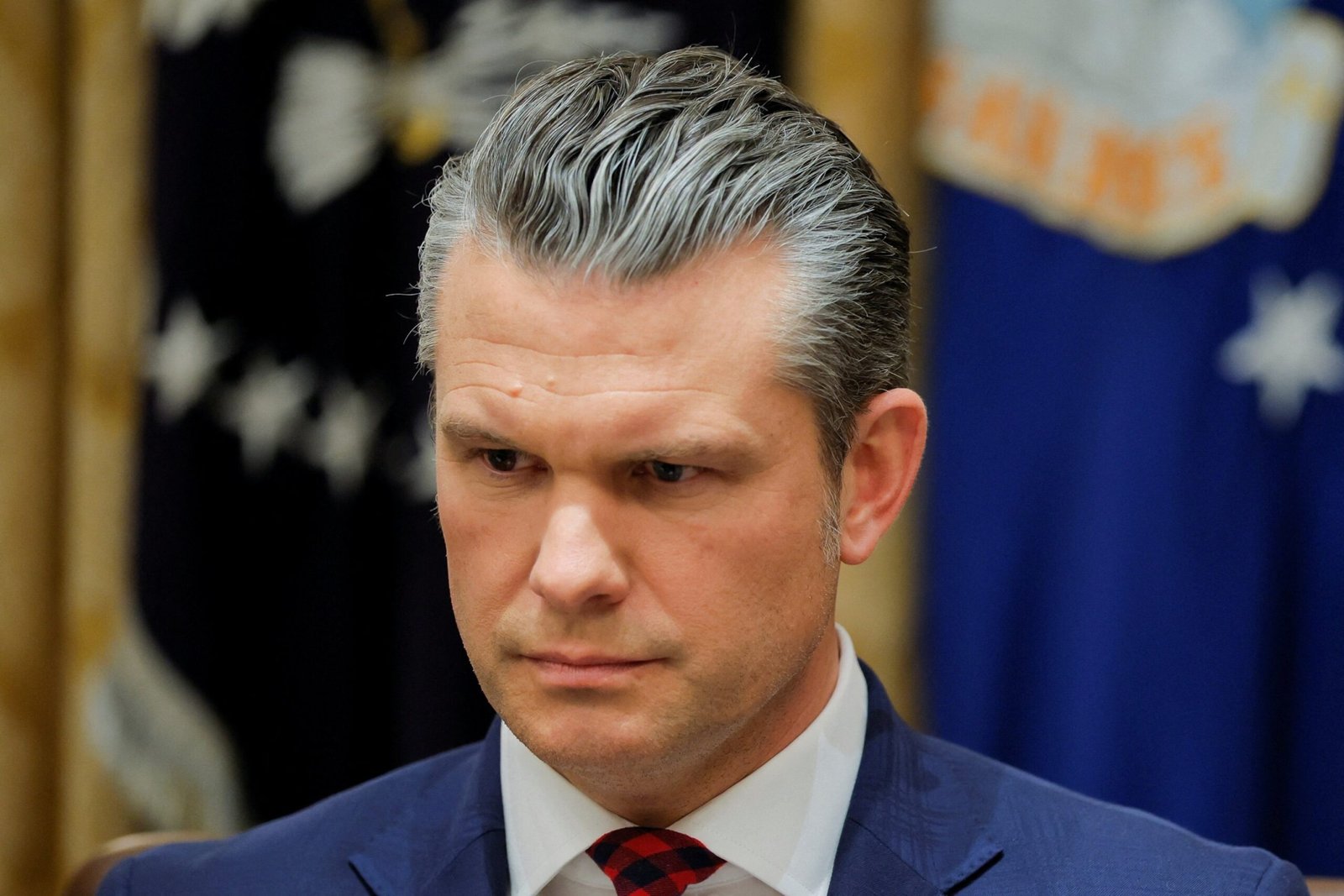
Secretary of Defense Pete Hegseth attends a Cabinet meeting with US President Donald Trump at the White House in Washington, December 2, 2025.
Brian Snyder/Reuters
cnn was the first to report the findings in the IG report.
The IG’s office declined to comment to ABC News, while the Pentagon did not immediately respond to a request for comment.
The IG’s unclassified findings are expected to be released Thursday.
Last March, The Atlantic revealed the existence of the Signal group chat involving several members of President Donald Trump’s national security team, including Hegseth, Vice President JD Vance and Trump’s then-national security advisor Mike Waltz.
According to The Atlantic, Waltz inadvertently added Jeffrey Goldberg, his executive editor, to the chat, which included discussions about an upcoming military plan to attack. sites in Yemen controlled by Houthi militants.
In the chat, which the White House later confirmed as authentic, Hegseth revealed how an attack would unfold and when, including the use of F-18 fighter jets and Tomahawk cruise missiles.
“THIS IS WHEN THE FIRST BOMBS WILL DEFINITELY FALL,” Hegseth wrote at one point, referencing Yemen and noting the military time of 2:15 p.m. (2:15 p.m.) before the attack.
Sources say Hegseth relayed similar details in a separate chat that included his wife, who does not work. in the Pentagon.
On March 15, the military attack unfolded as described in the Signal chat, with US aircraft attacking dozens of Houthi targets, including missiles, Radar and air defense systems.
In responding to the fallout, Hegseth and his chief spokesman, Sean Parnell, repeatedly insisted that the information was not classified. CIA Director John Ratcliffe and Tulsi Gabbard, director of national intelligence, also testified that the chat did not include classified information.
“There was no classified information in any Signal chat, no matter how many ways they tried to write the story,” Parnell wrote in X on April 20.
In an April 22 interview on Fox News, Hegseth said the information was “unclassified informal coordination for media coordination.”
Last spring, Senators Roger Wicker, chairman of the Senate Armed Services Committee, and Jack Reed, the top Democrat, called for the IG to investigate the handling of the information.
“The recently published information seems to me to be of such a sensitive nature that, in my opinion, knowledge, I would have liked it to be classified,” Wicker said at the time.


